Coal endangers people and the environment, and contributes to increasingly frequent climate disasters.
In fact, coal-fired electricity generation can be up to 90 times more polluting than renewable sources when the full lifecycle of energy production is considered, from resource extraction to plant construction and maintenance.
Since 2016, around 1400 GtCO2 (two times Germany’s yearly emissions) have been saved thanks to a reduction in coal power generation.
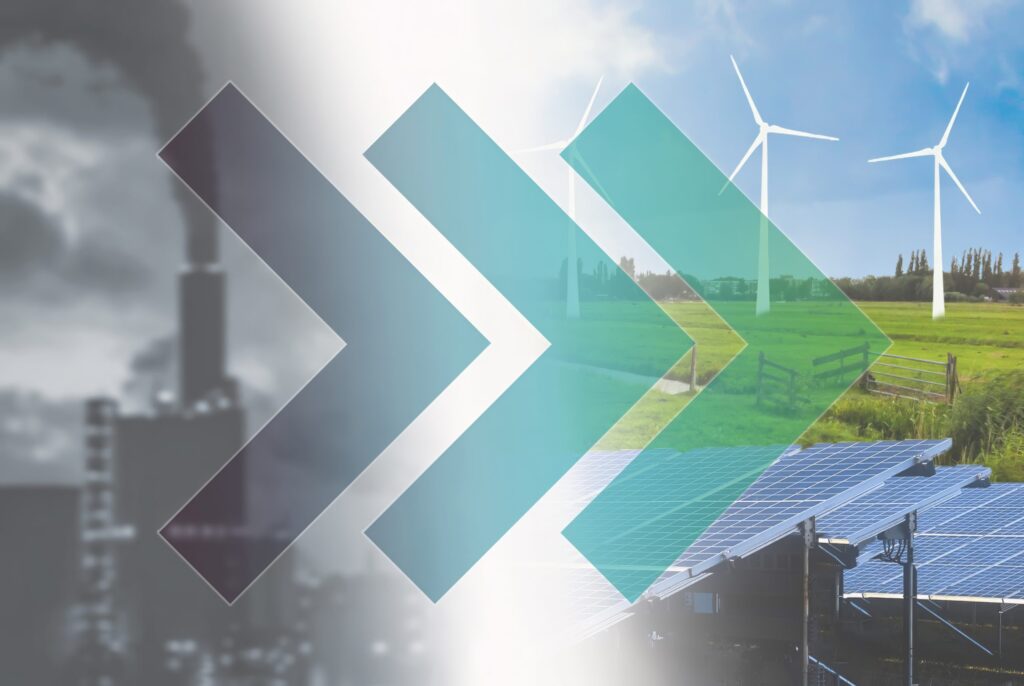
Shifting from fossil fuel-based energy to renewables isn’t just a matter of swapping one energy source for another; it’s about fundamentally rethinking who benefits and who bears the costs.
Rethinking energy: who benefits, and who pays?
Europe’s energy system has long been designed around fossil fuels – centralised, expensive, and controlled by a handful of large corporations. The clean energy transition turns that model upside down. When communities, households and businesses generate, store and share their own energy, the benefits stay local: lower bills, more resilient infrastructure, and power that doesn’t depend on the whims of global gas markets or distant regimes.
Browse our map below to learn more
Local power, local benefits
A growing number of community energy projects across Europe are proving that the transition doesn’t have to happen to people; it can happen with them. From cooperative wind farms in Denmark to community solar schemes in Italy and shared battery storage in the UK, citizens are becoming active participants in the energy system rather than passive consumers of it. When communities own a stake in their energy, they protect it, invest in it, and benefit from it. This is what a fair transition looks like on the ground.
In Germany, more than 2 million households and businesses already receive payments, between €110 and €190 a year, simply for making their appliances, heat pumps or EV chargers available to help balance the grid. By adjusting when they use electricity, they earn money while helping the system run more efficiently and reduce the need for gas as a backup. This is clean flexibility in action: not a distant technology, but a benefit that millions of Europeans can access today, and that will be available even more as the system scales.
The economics of clean energy have shifted decisively. Solar and wind are now the cheapest sources of new electricity generation in Europe, and unlike fossil gas, their fuel is free. By 2035, deploying clean flexibility solutions across Europe could save €5.4 billion a year in avoided fossil fuel costs, plus a further €4.8 billion in grid savings, in a single year.
Those savings are felt directly by households and businesses. Every heat pump installed, every battery connected, every smart meter switched on is a step away from volatile gas bills, and toward energy costs that are stable, predictable, and ours to control.
read more button:
https://beyondfossilfuels.org/wp-content/uploads/2026/02/2026-02-24_Brattle-Clean-Flexibility-in-Europe-Report.pdf
facts and figures
Clean energy benefits the climate, and our economies, big and small.
€300 billion per year
The potential in savings for Europeans by 2030 thanks to clean flexibility.
local solutions map
Where is the clean energy transition already happening near you?
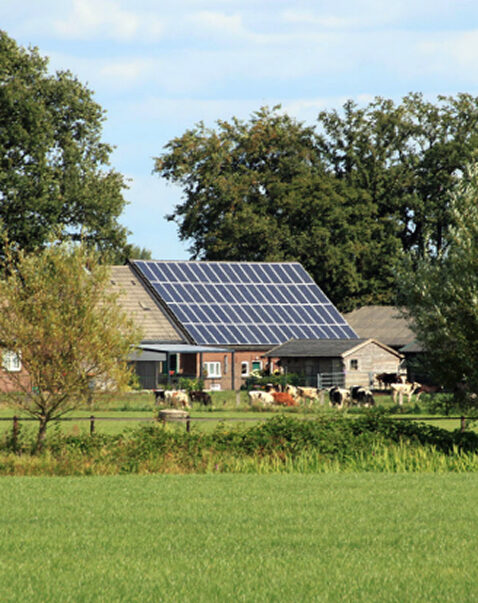
The beauty of the energy transition lies in the variety of solutions it offers.
From solar rooftops to wind farms, discover how diverse and impactful the
journey to sustainability can be.
Disclaimer: Many images are for illustration purposes. If you would like us to remove, replace or add a specific credit to any of
the images, please get in touch with us hello[at]bff.earth.org
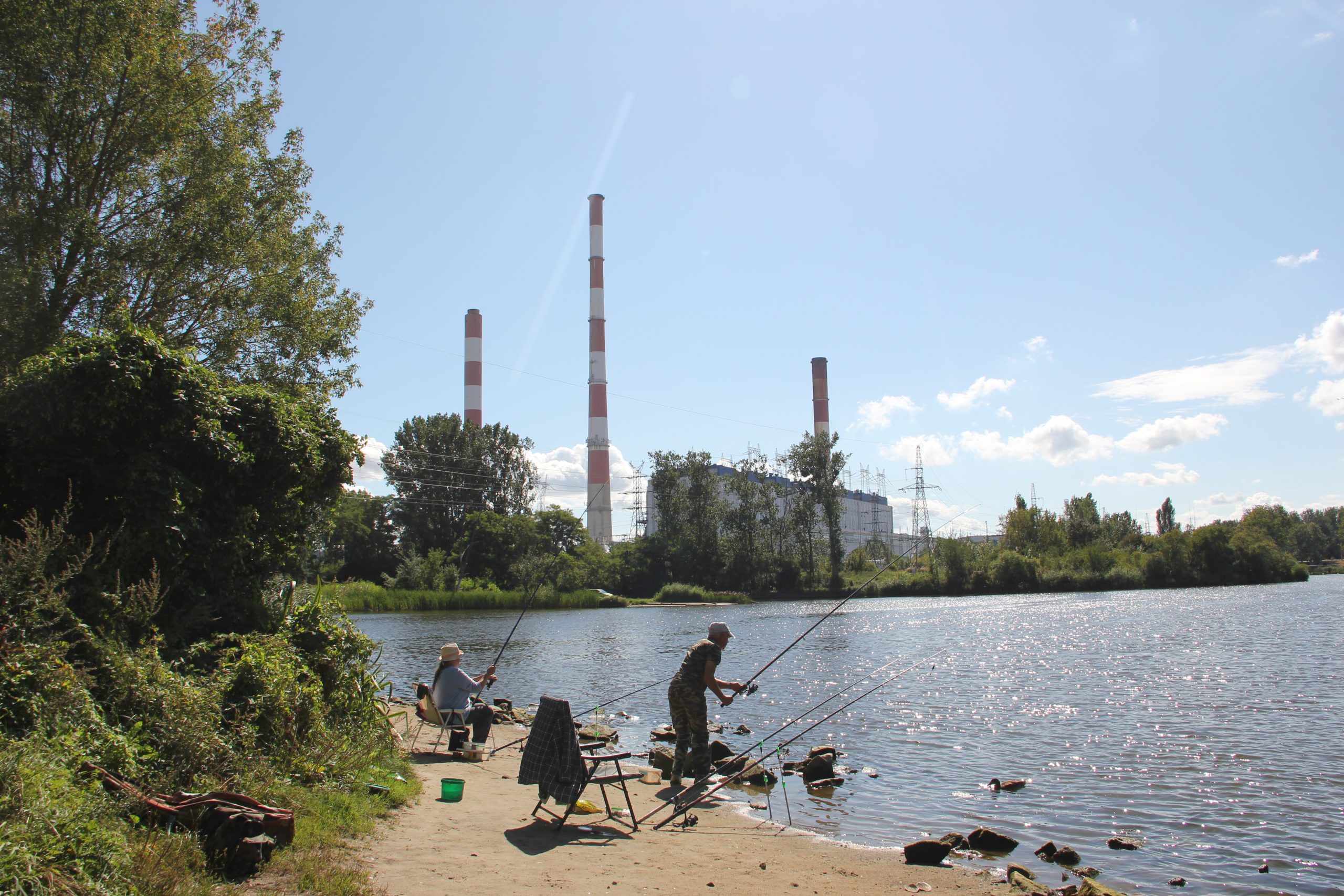
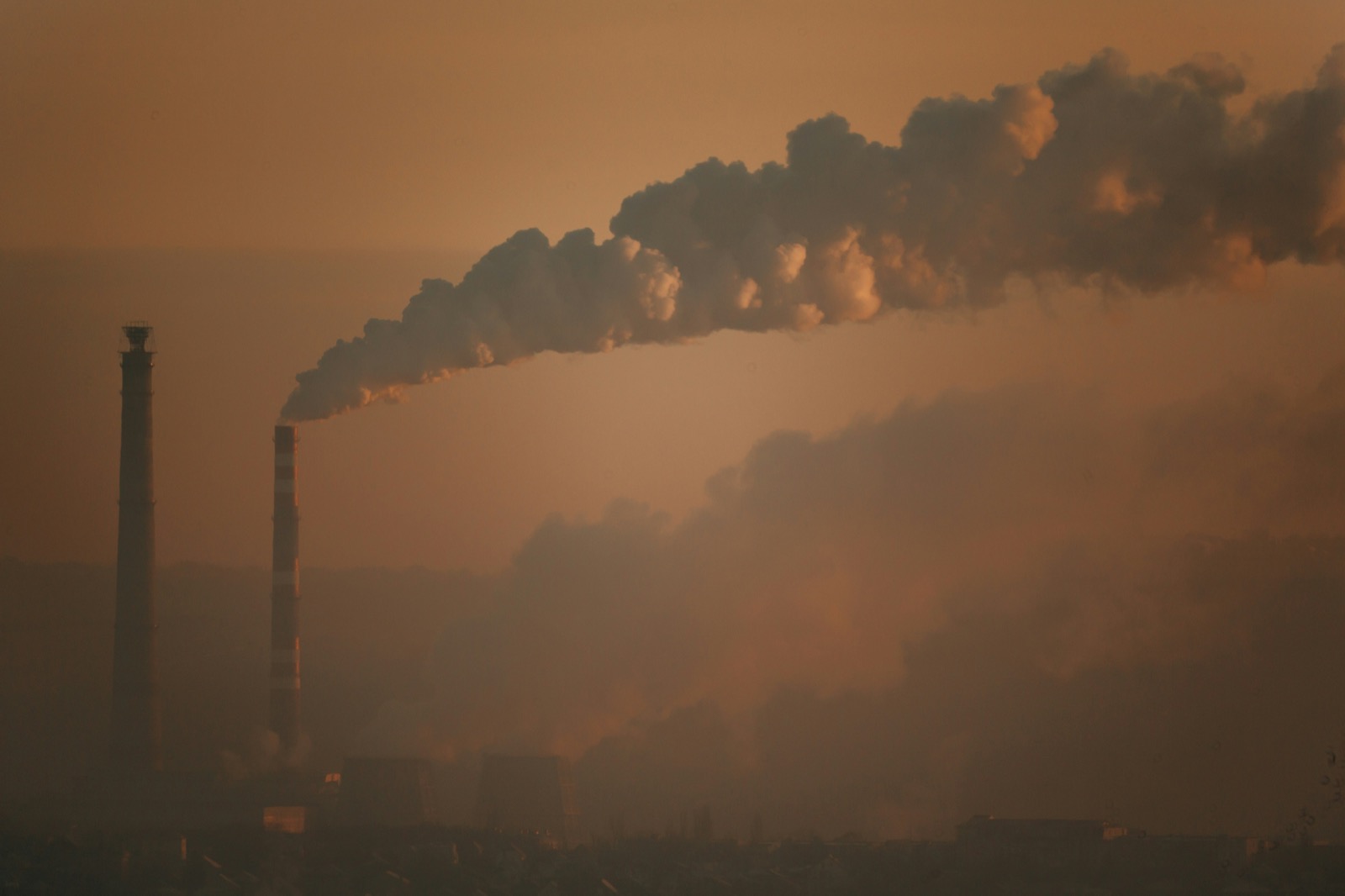
Due to the unprofitability of coal, PGE finally shut down the Dolna Odra coal plant after two units were converted to gas in 2024. While the plant’s closure is an important step in Poland’s slow transition away from coal, and a win for public health and the economy, the switch to gas is a mistake […]
European Commission denies Romania’s request to extend life of coal plants
The Romanian government’s request to delay the closure of coal plants was denied by the EC because it could not demonstrate that meeting decarbonisation targets would threaten energy security. The European Commission also said the targets under the Resilience Facility can no longer be revised, given the limited time remaining before the scheme expires.
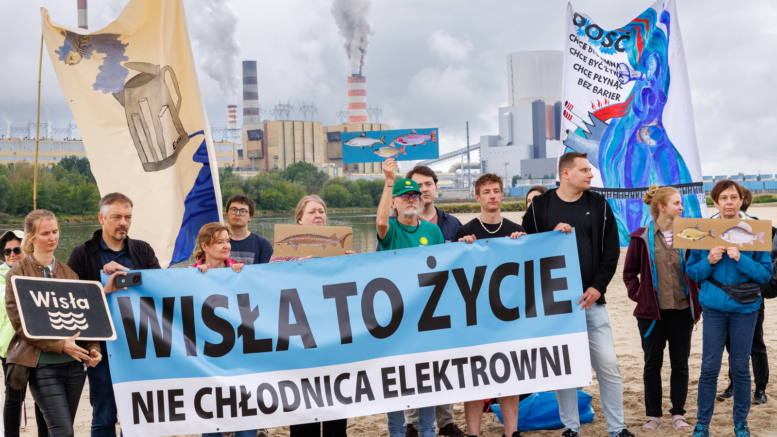
Activists from NGOs and environmental groups protested the Kozienice gas plant project, carrying banners that read, “The Vistula is life, not a cooling source for a power plant.” The plant is depleting the Vistula River’s water and harming its ecosystem amid a drought. Kozienice has become a symbol of the need to accelerate the transition […]
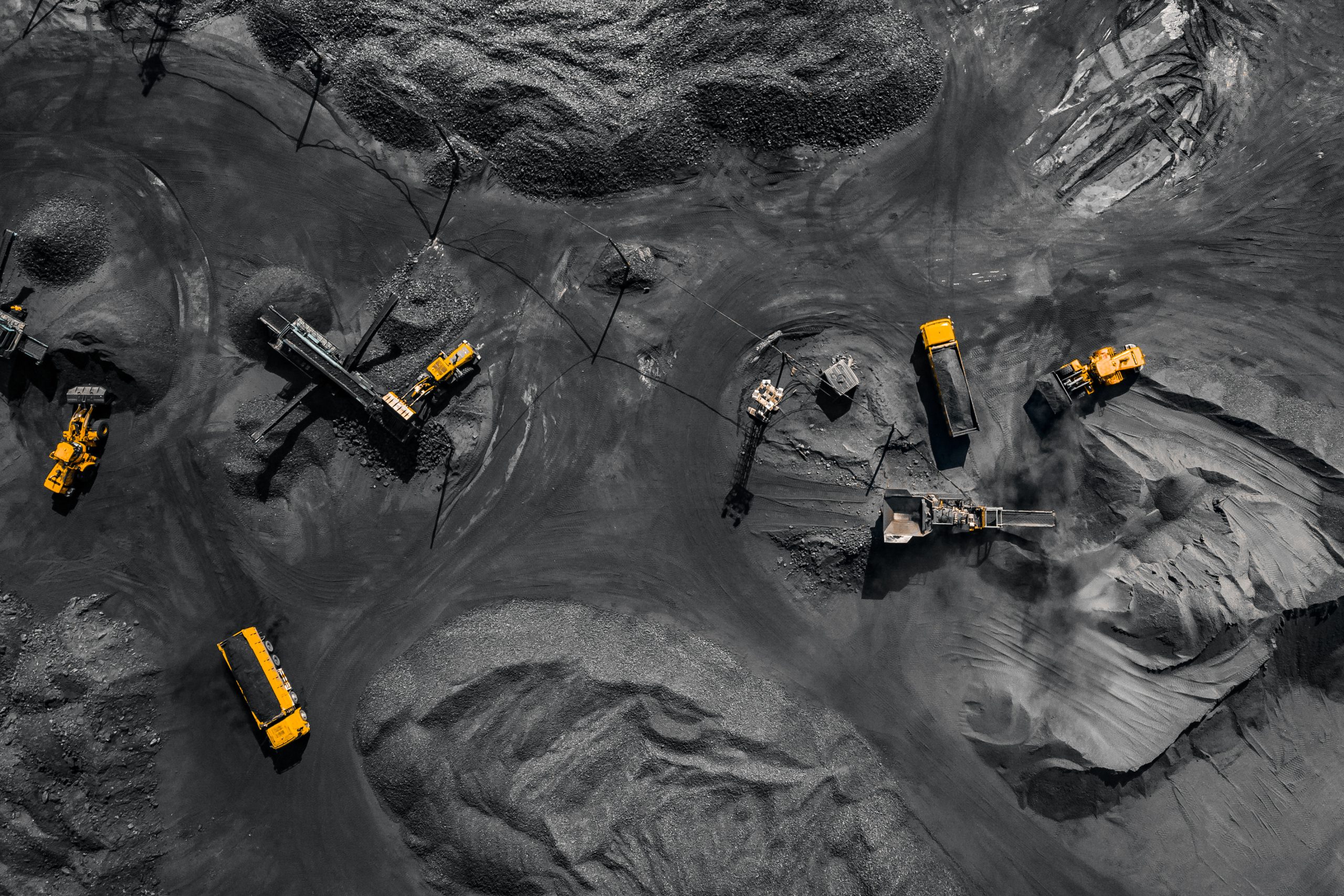
One of Poland’s oldest coal mines to close after 122 years
The Bielszowice coal mine is closing after 122 years of operation, reflecting the decline of Poland’s coal industry. The sector is growing more unprofitabile and undermining the country’s competitiveness, as coal production fell to its lowest level in 2024.
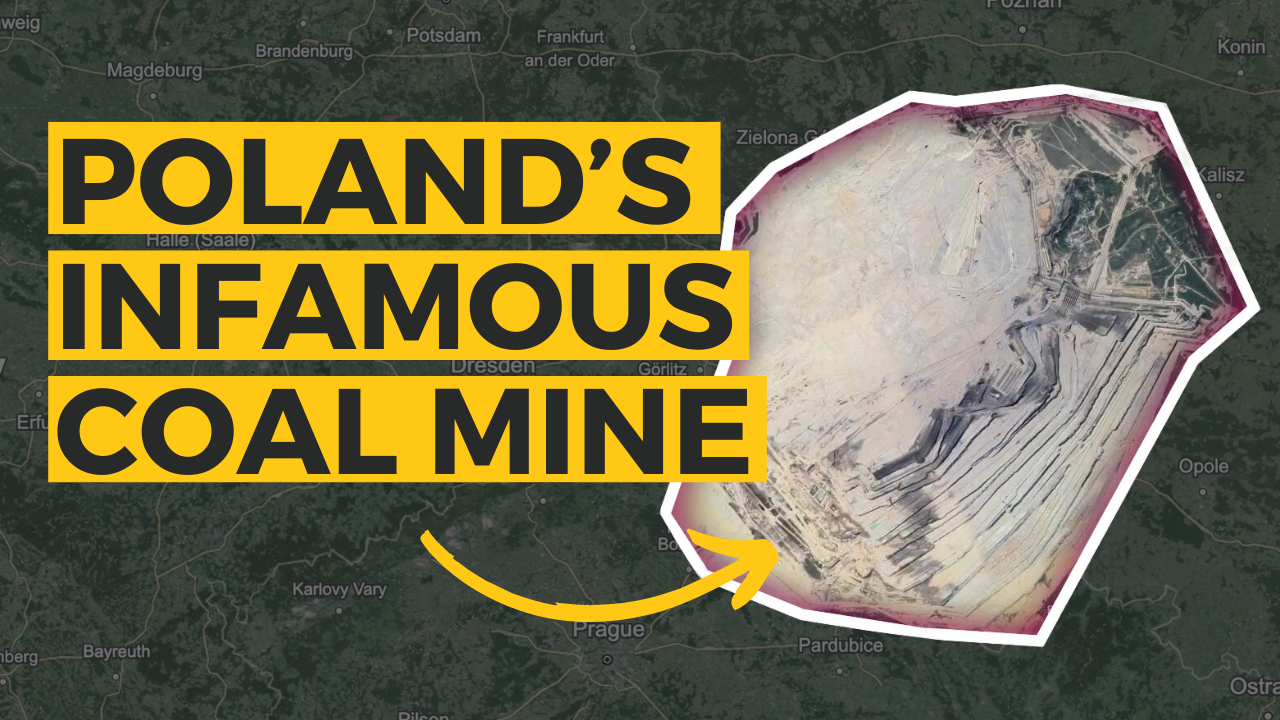
Polish court dismisses appeals against Turow’s environmental permit
The Supreme Administrative Court in Warsaw dismissed the appeals filed by environmental organisations and upheld the immediate enforceability of the 2020 environmental decision for the Turów mine. The decision allows PGE to extend the mine’s operating license until 2044, enabling continued mining that will degrade the environment and increase pollution.
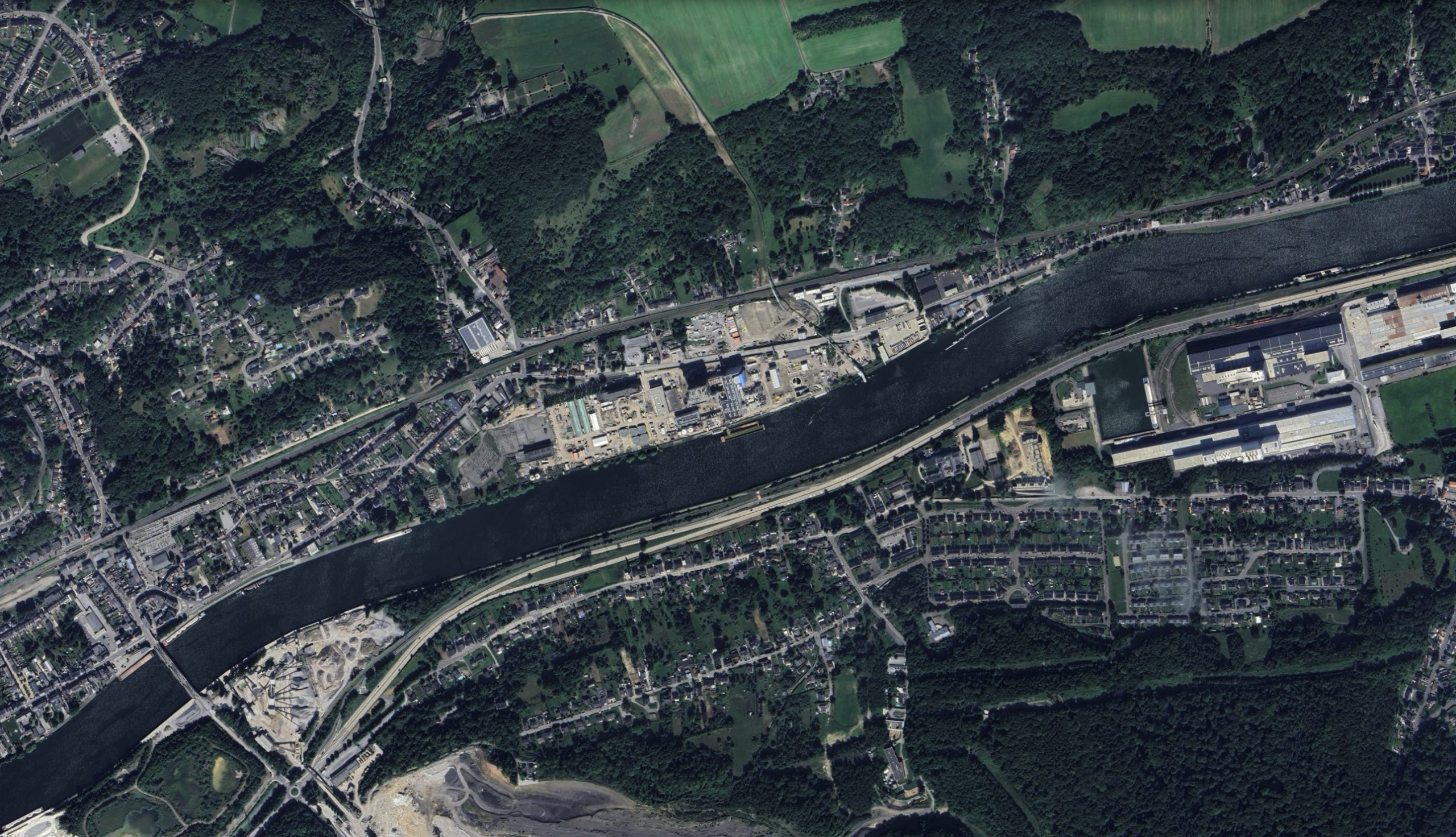
Flémalle is the 800th operational gas-fired power plant in Europe. It is a clean sign of gas overbuild that risks locking Belgium into a cycle of import dependence and economic volatility.
A fair, secure, renewables-based energy system, free from fossil fuels by 2035. A clean and flexible power system will deliver lasting benefits for people, the climate, and the economy.