Beyond Fossil Fuels

Gas phase-out

Fossil gas is Europe’s energy trap. It’s time to break free.

why does
this matter?

european new gas plant counter

How many new gas plants is Europe planning to build? How many of them have been cancelled?

90.8 GW

Total capacity of “new gas plant projects” in development

20.6 GW

Total capacity of “new gas plant projects” cancelled

Protecting our energy security means breaking free from fossil gas and replacing it with clean energy and flexibility.

Dependence on fossil gas is not a security strategy, it’s a structural vulnerability. The only actors profiting from perpetuating it are fossil fuel companies, at the expense of consumers.

New gas projects

Urgent action needed to stop new gas plants from being built.

The fossil gas industry plans to build almost 60 GW of new gas plants across the EU, as of xxxx. On top of the existing ones. This would be a strategic failure for the energy industry, and deal an irreparable blow to our economic and climate equilibrium. New gas plants require a steady supply of fuel, pipeline and terminal infrastructure, and often public money would subsidise them, creating a self-reinforcing mechanism of fossil gas lock-in.
The gas import trap

The countries building more fossil gas are the ones where households and industries are paying the highest price.

Europe’s gas power capacity is concentrated in a few countries that also import large amounts of gas. Unsurprisingly, some of these countries, including Italy, Germany and the UK, have some of the highest electricity bills in Europe.

Gas power plant profiles

Across Europe, building more gas power plants risks locking countries into fossil fuel dependence, higher costs and continued emissions.

These profiles examine some of the most problematic projects, the companies and policies driving them, and the communities mobilising in response. Click below to learn more about each plant and the wider consequences of its development.

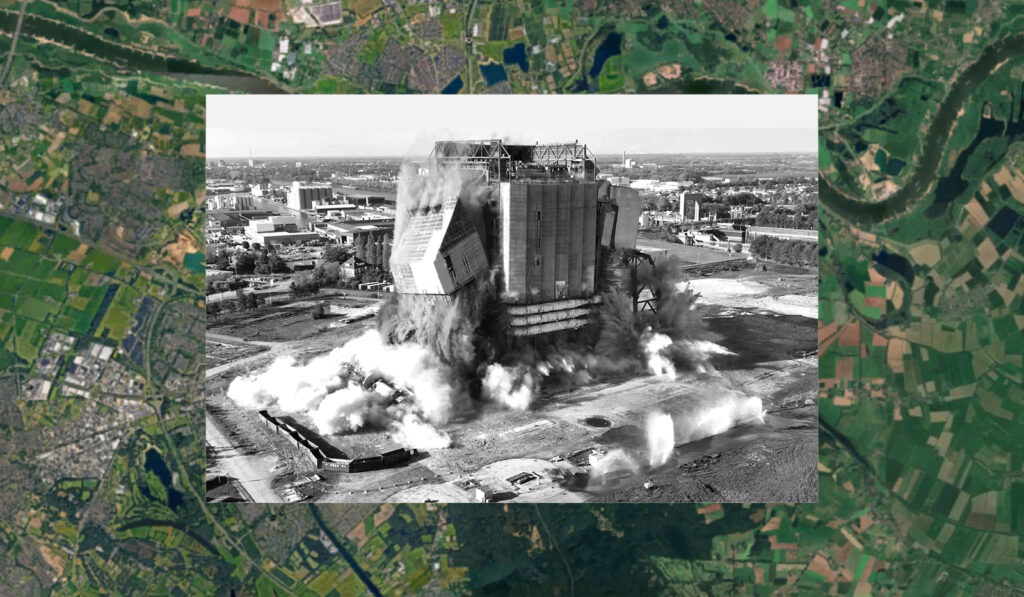
Nijmegen, the Netherlands

New 500 MW fossil gas plant on a former coal plant site, which it intends to operate until 2045, in contradiction with the Dutch government’s commitment to decarbonise its power system by 2035. Plans to eventually convert it to hydrogen are vague, failing to identify when the switch will be made and where the hydrogen will come from.

Read more

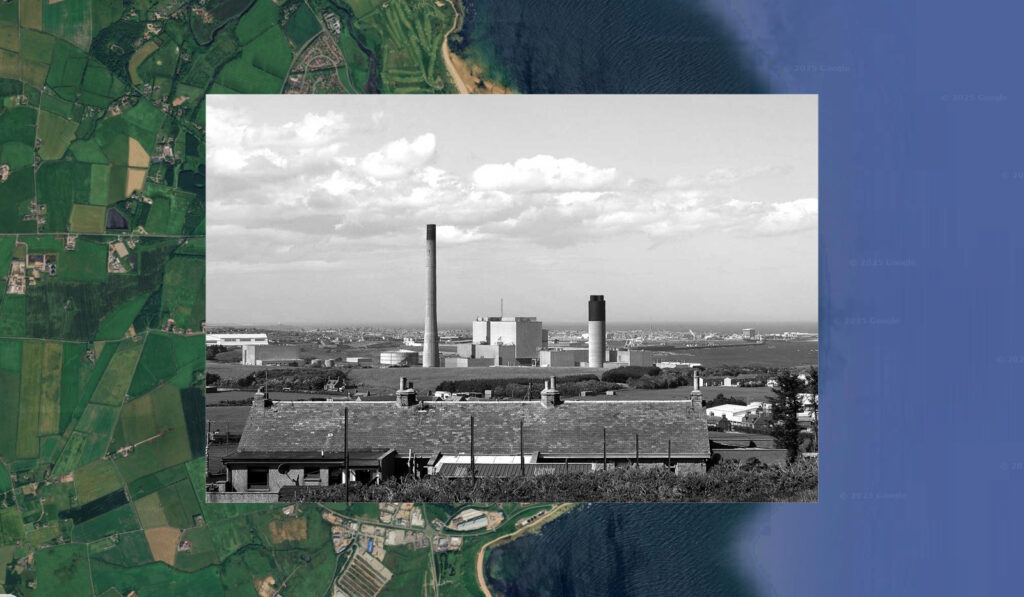
Peterhead, Scotland

New 900 MW combined cycle gas turbine on the site of an operational 1180 MW fossil gas plant, already Scotland’s biggest polluter. Promises to capture at least 90% of CO2 emissions through CCS, an unproven and expensive technology.

Read more

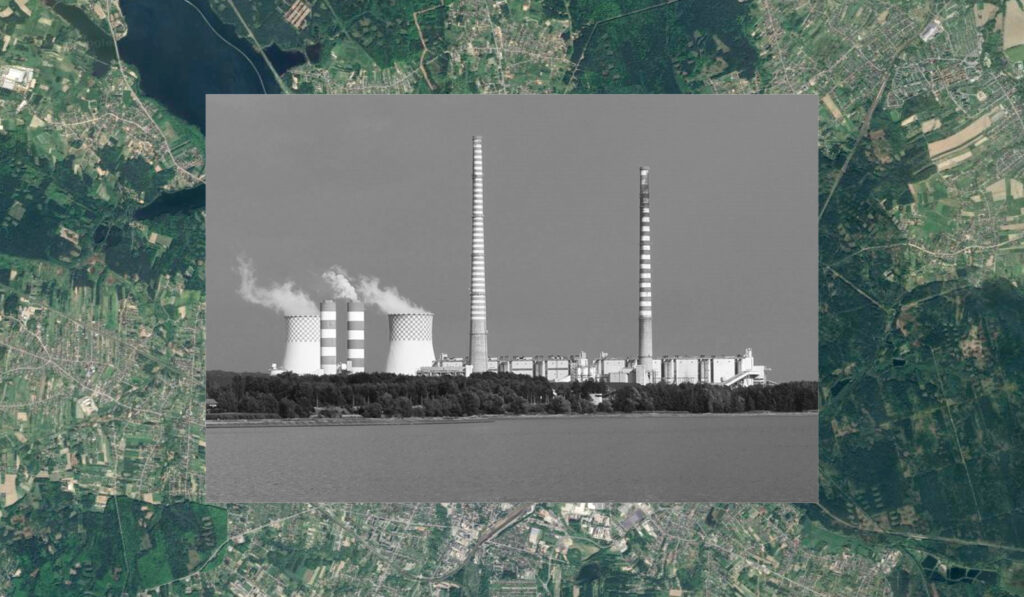
Rybnik, Poland

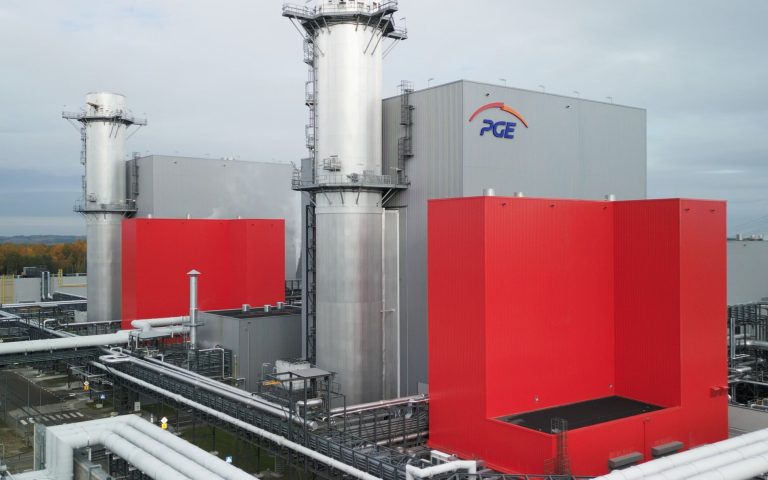
Rybnik gas plant includes a 882,9 MW combined cycle gas turbine (CCGT), the largest single gas unit in the country. It will replace four former 225 MW hard coal units. Construction began in 2023, and the plant is expected to be operational by the end of 2026.

Read more

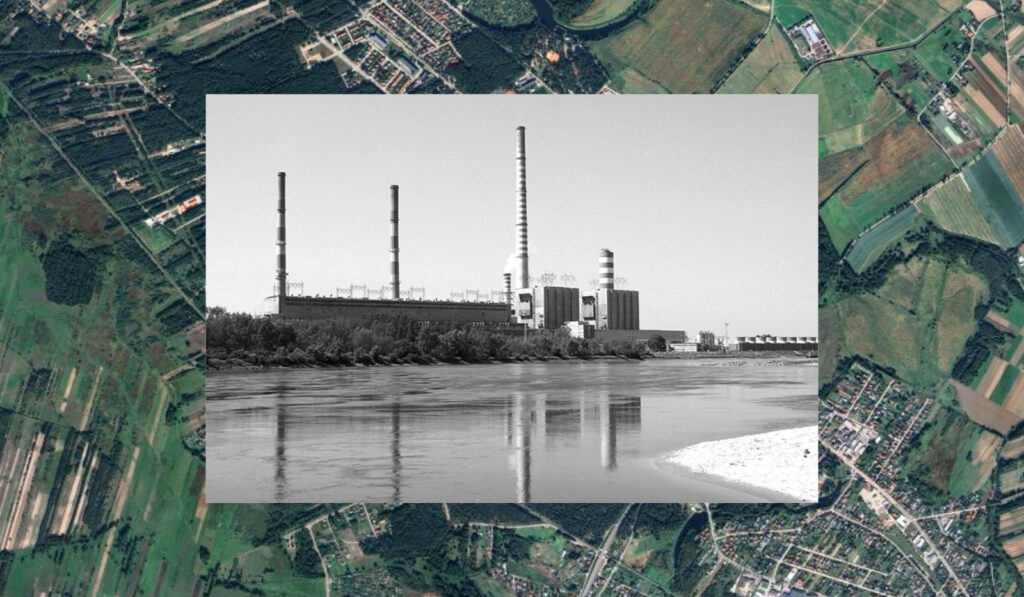
Kozienice, Poland

Two new 700 MW combined cycle gas turbines (CCGT) (earlier plans included three 750 MW or two 1100 MW blocks) on the site of a 4 GW coal power plant, the largest hard coal power plant in the country and one of the biggest in Europe. The new gas blocks are to replace the oldest 200 MW coal units.

Read more

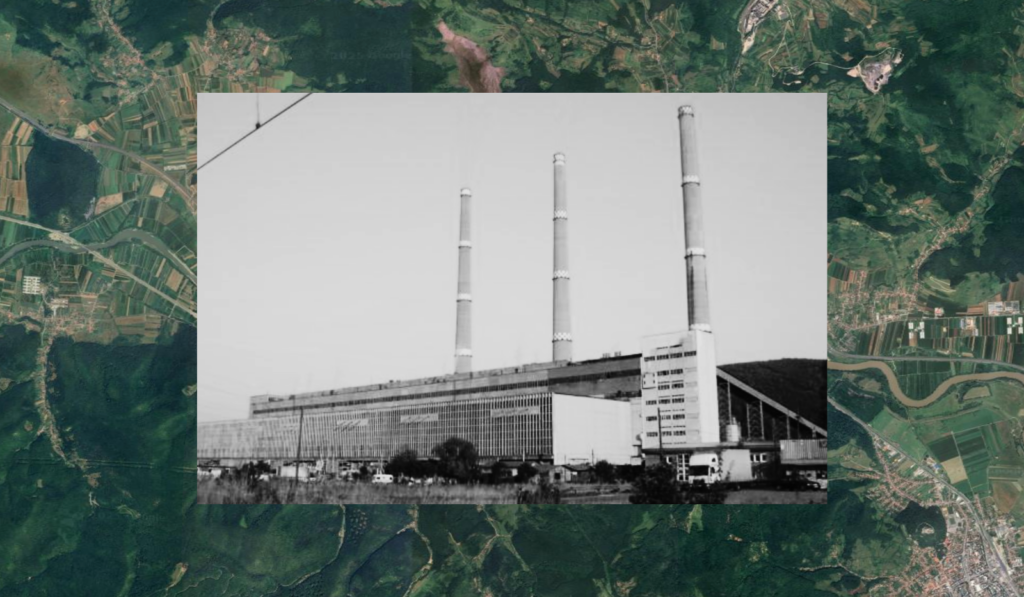
Mintia, Romania

According to Romania’s national energy and climate plan, the country plans to add 2.6 GW of gas-fired capacity by 2030. However, announced projects total nearly three times this planned capacity, exceeding 6 GW. One of the mega projects contributing to this goal is the Mintia gas-fired power plant.

A former coal plant, the Mintia gas-fired power plant will be the largest installation in the EU, with a capacity of 1.77 GW.

Read more

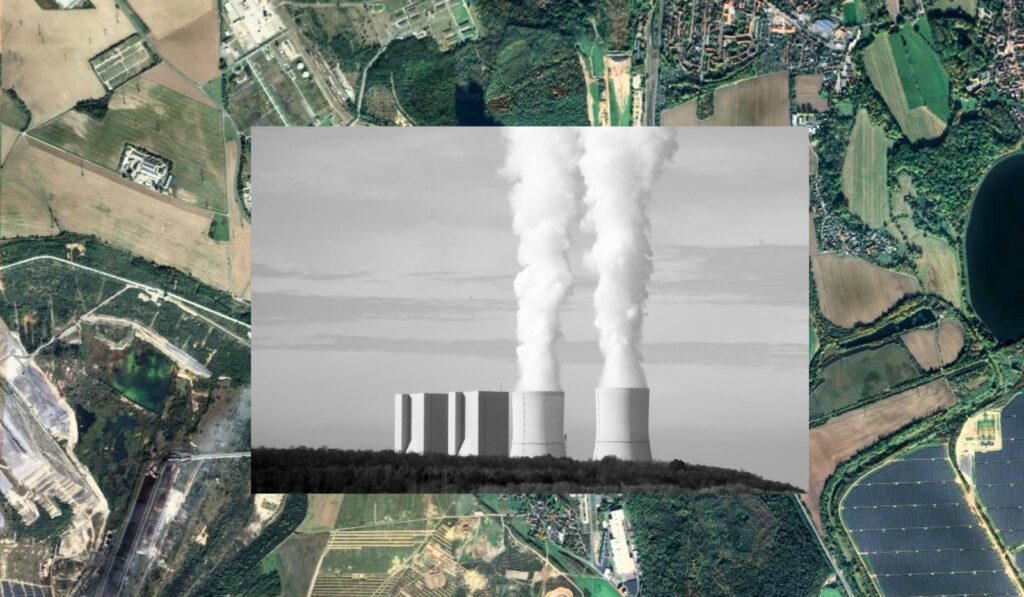
Lippendorf, Germany

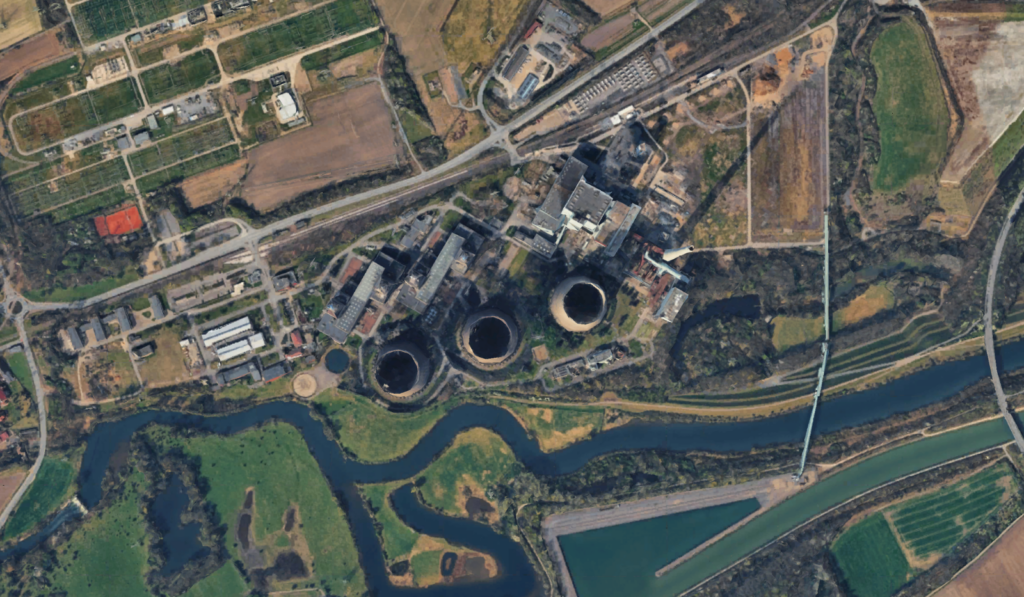
The Lippendorf coal power station (1866 MW) is operated by the German energy company and subsidiary of Czech utility Energetický a průmyslový holding (EPH), LEAG. One block is co-owned by LEAG and the other by EnBW. In May 2025, EnBW sold its half of the Lippendorf power station to the Czech company EP Energy Transition. The company will take over the plant from January 2026.

With 11.1 million tonnes in CO2 emissions in 2021, Greenpeace ranked the Lippendorf coal power plant third on its list of the “most harmful coal-fired power plants in Germany“.

Read more

Brindisi Sud, Italy

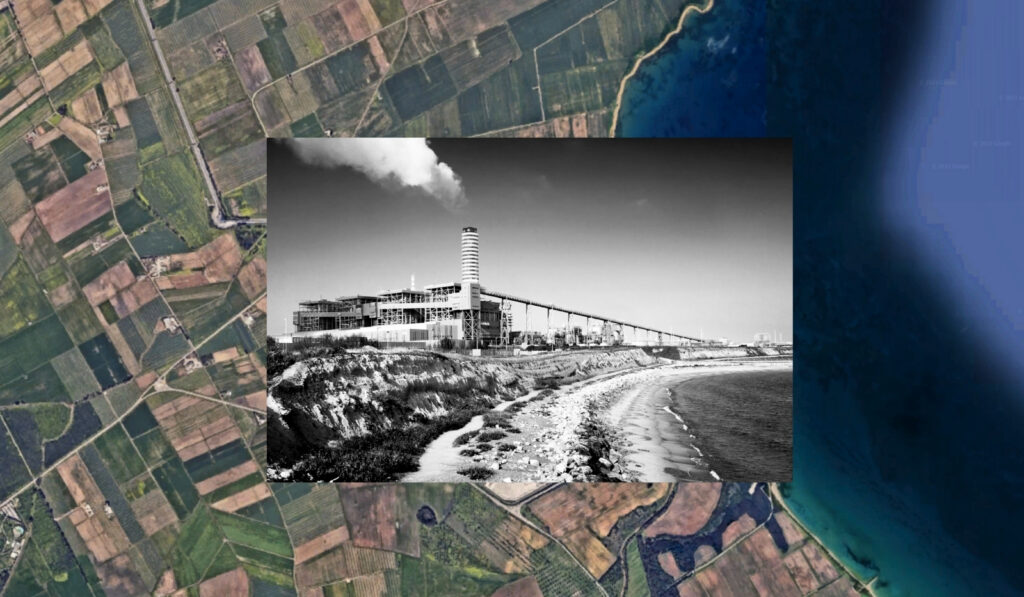
Since the 1990s, Italian power utility Enel has operated one of the largest coal plants in both Italy and Europe: Brindisi Sud. The plant was made up of four coal units with a total capacity of 2,640 MW, three of them still active today. In 2017, the Italian government announced plans to phase out coal power by 2025, which required Enel to begin planning the closures of Brindisi’s coal units.

Read more

Roskovec, Albania

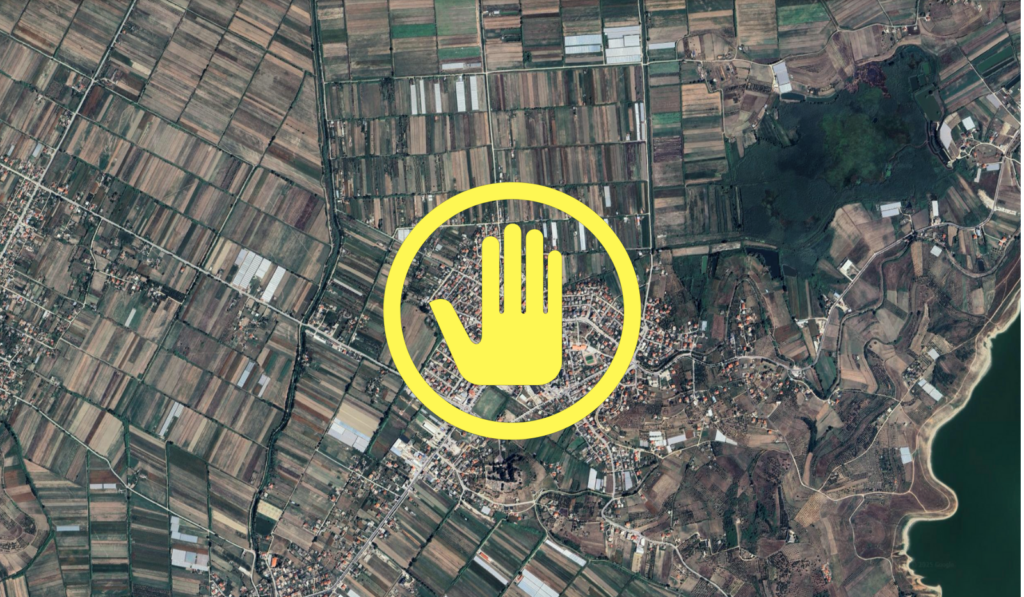
The local government approved the plant’s construction permit in May 2024, but the project has not moved forward due to incomplete documentation. In Sept. 2025, the Albanian Energy  Regulatory Authority suspended the plant’s license.

Read more

Flémalle, Belgium

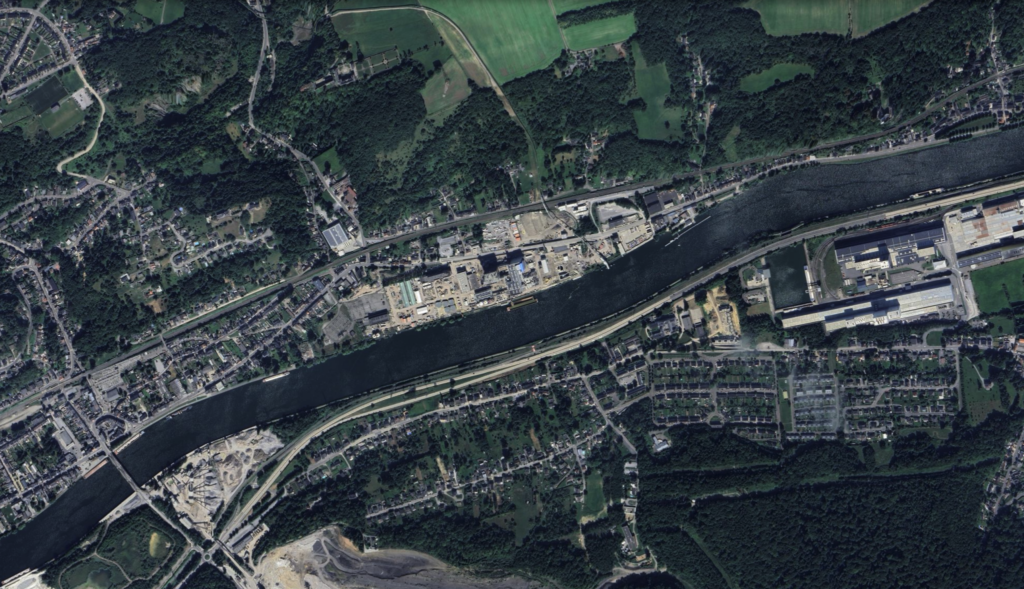
The Flémalle CCGT plant (875 MW) operates on the site of the former Les Awirs coal power plant and is considered central to the Belgian nuclear phase-out.

Read more

Gersteinwerk, Germany

The Flémalle CCGT plant (875 MW) operates on the site of the former Les Awirs coal power plant and is considered central to the Belgian nuclear phase-out.

Read more

Gas timeline

Want to know which countries, companies or communities are taking action on gas?

Browse our timeline of the key milestones shaping Europe’s path to a gas-free future.

July, 2026

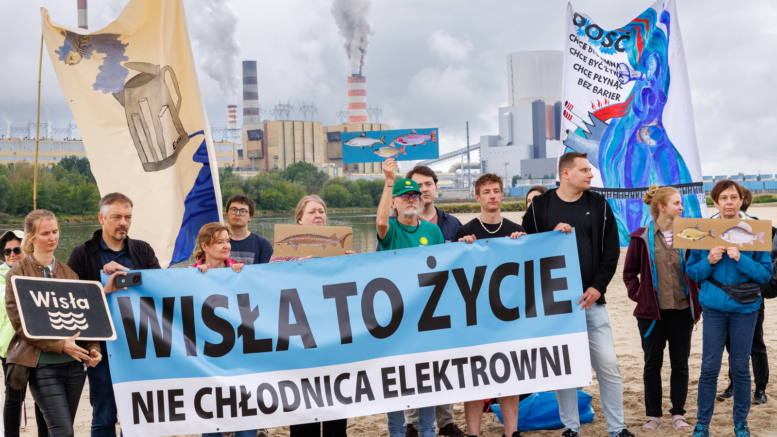
Kozienice gas project protest

May, 2026

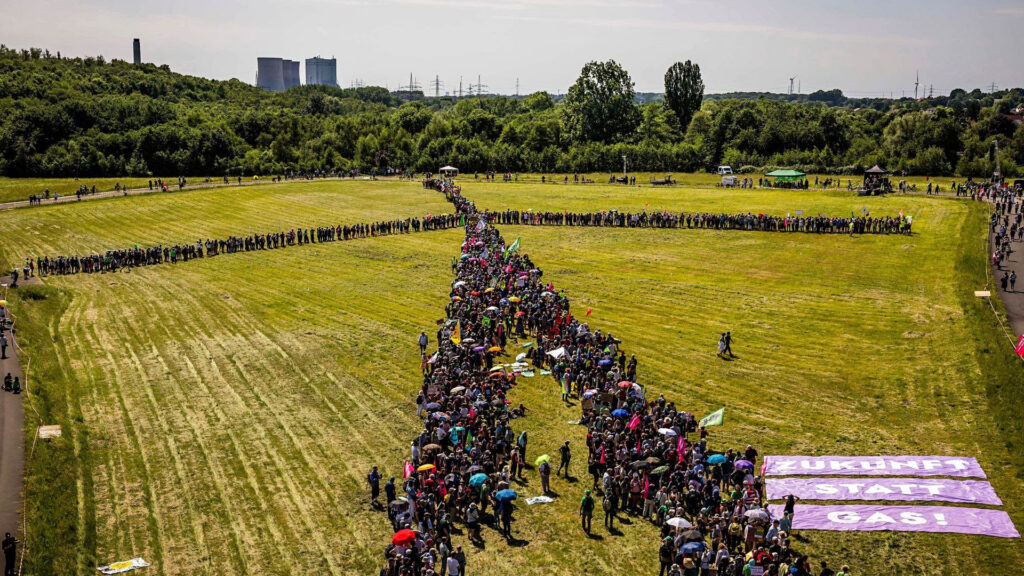
Thousands protest fossil gas plants in Ruhr region

May, 2026

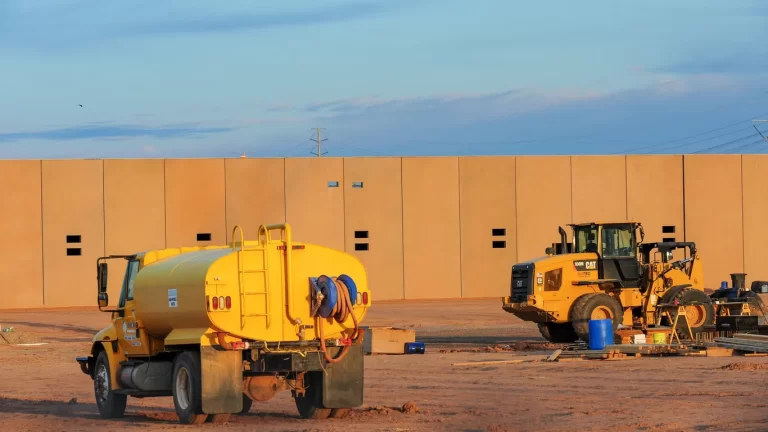
Residents win fight against gas plant tied to data centre

May, 2026

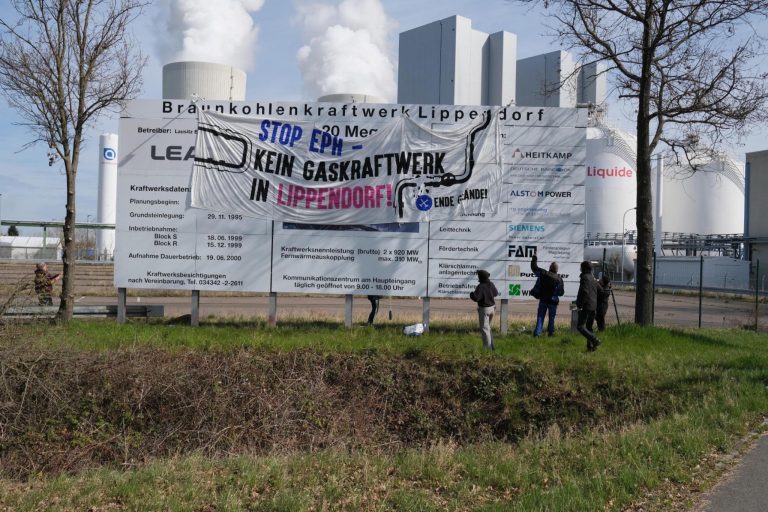
Three days of protest at the Lippendorf gas plant

April, 2026

New gas power plant would damage Dee Estuary

March, 2026

Iran war sparks fossil fuel crisis in Europe

January, 2026

German government reaches agreement with EU Commission

January, 2026

Germany’s gas expansion plan faces even more delays

December, 2025

PGE gas plant still allowed to operate despite invalid environmental permit

A renewable future:

A fair, secure, renewables-based energy system, free from fossil fuels by 2035. A clean and flexible power system will deliver lasting benefits for people, the climate, and the economy.