Beyond Fossil Fuels

Clean Flexibility

You can’t use yesterday’s infrastructure to build tomorrow’s energy system.

why does
this matter?

Europe’s infrastructure

Where are Europe’s grid and energy storage headed?

25m km

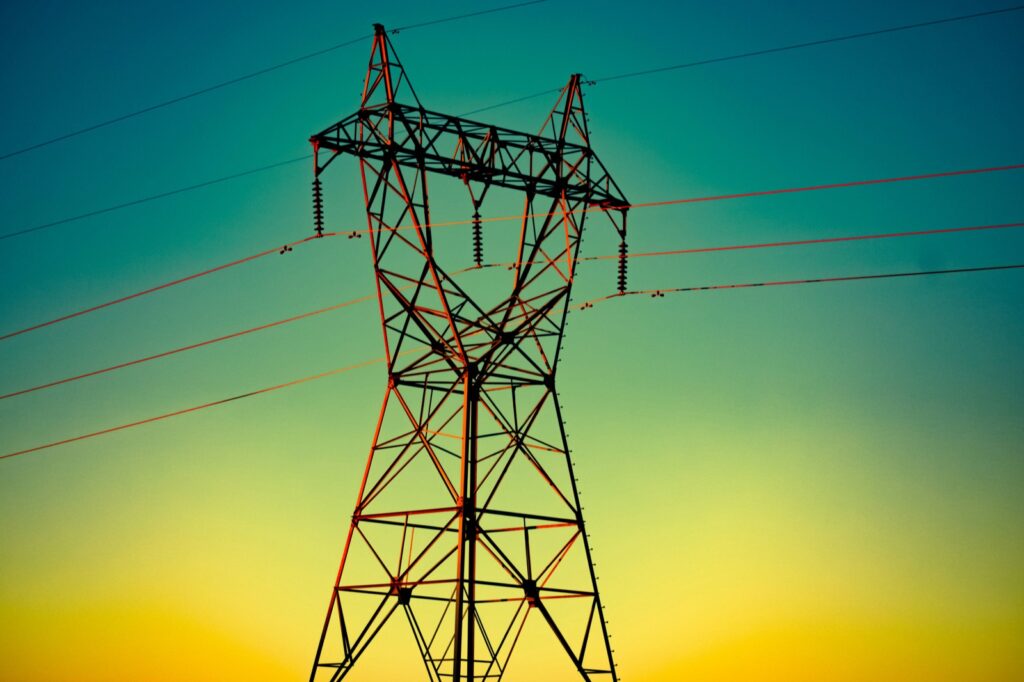
of grid infrastructure committed by 65 nations and 100 organisations at COP29 to be added or refurbished globally by 2030. That’s enough to wrap around the planet more than 624 times.

€300 bn

per year by 2030.


Savings in energy bills across the EU thanks to of demand-side flexibility solutions

Clean flexibility lowers power system costs and cuts consumer energy bills by reducing the need to build and operate expensive gas generation to keep the system balanced.

grid bottlenecks

Clean energy, ready and waiting

Across just eight European countries, over €100 billion worth of wind, solar and battery projects – 830 GW are trapped
in distribution connection queues, as of early 2026. This is slowing the decarbonisation of our economy and weakening Europe’s resilience.

growth outlook

The potential of clean flexibility is vast, and it can and should replace fossil gas

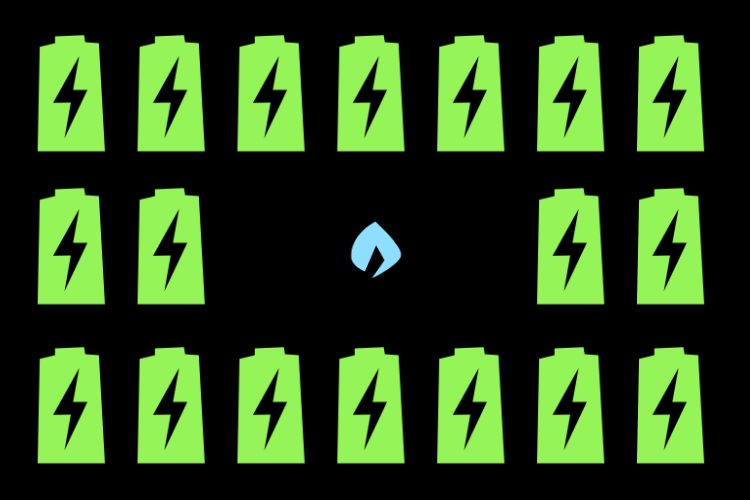
The capacity of clean flexibility technologies in Europe, ranging from utility-scale batteries to demand-side response systems such as smart meters, is expected to grow from approximately 150 GW in 2030 to over 700 GW by 2050. This is almost four times the total installed capacity of gas plants in Europe today (186 GW).

Batteries and Storage

Batteries in, gas out

Grid-scale batteries are proving to be a key clean alternative to gas. Ensuring a flexible and reliable power supply, at lower cost and risk.
The UK, Germany and Italy are at the forefront of utility-scale battery deployment. Much more could be achieved by redirecting public subsidies from fossil fuels to clean batteries.

A renewable future:

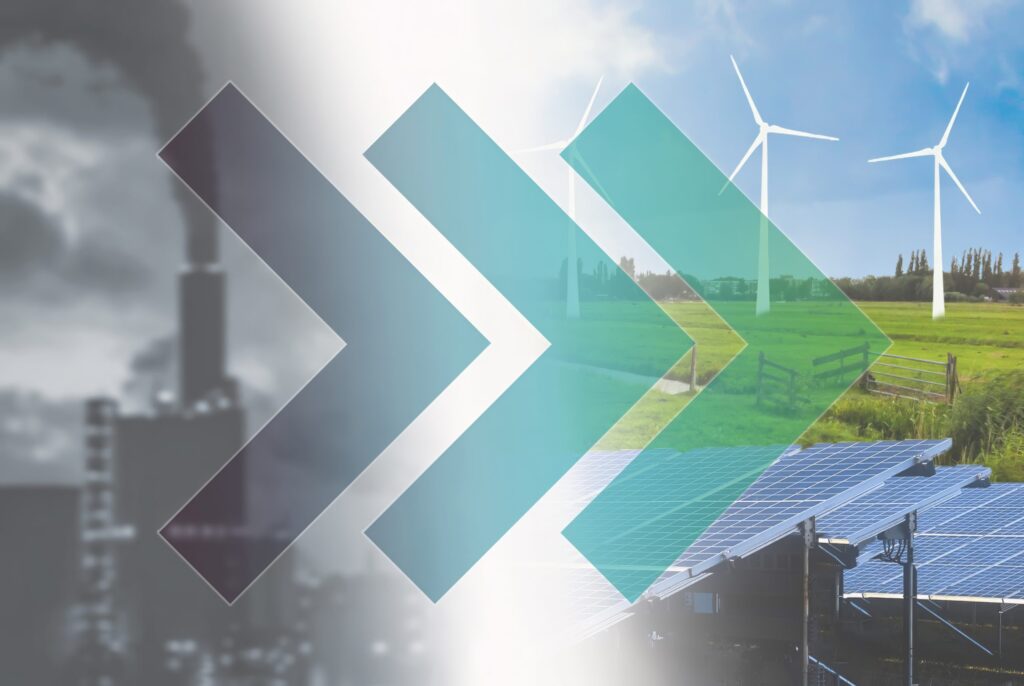
A fair, secure, renewables-based energy system, free from fossil fuels by 2035. A clean and flexible power system will deliver lasting benefits for people, the climate, and the economy.