Energising Communities
[et_pb_section fb_built=”1″ admin_label=”section” _builder_version=”4.16″ custom_padding=”2px|||||” global_colors_info=”{}”][et_pb_row admin_label=”row” _builder_version=”4.16″ background_size=”initial” background_position=”top_left” background_repeat=”repeat” global_colors_info=”{}”][et_pb_column type=”4_4″ _builder_version=”4.16″ custom_padding=”|||” global_colors_info=”{}” custom_padding__hover=”|||”][et_pb_text _builder_version=”4.25.1″ _module_preset=”default” global_colors_info=”{}”]
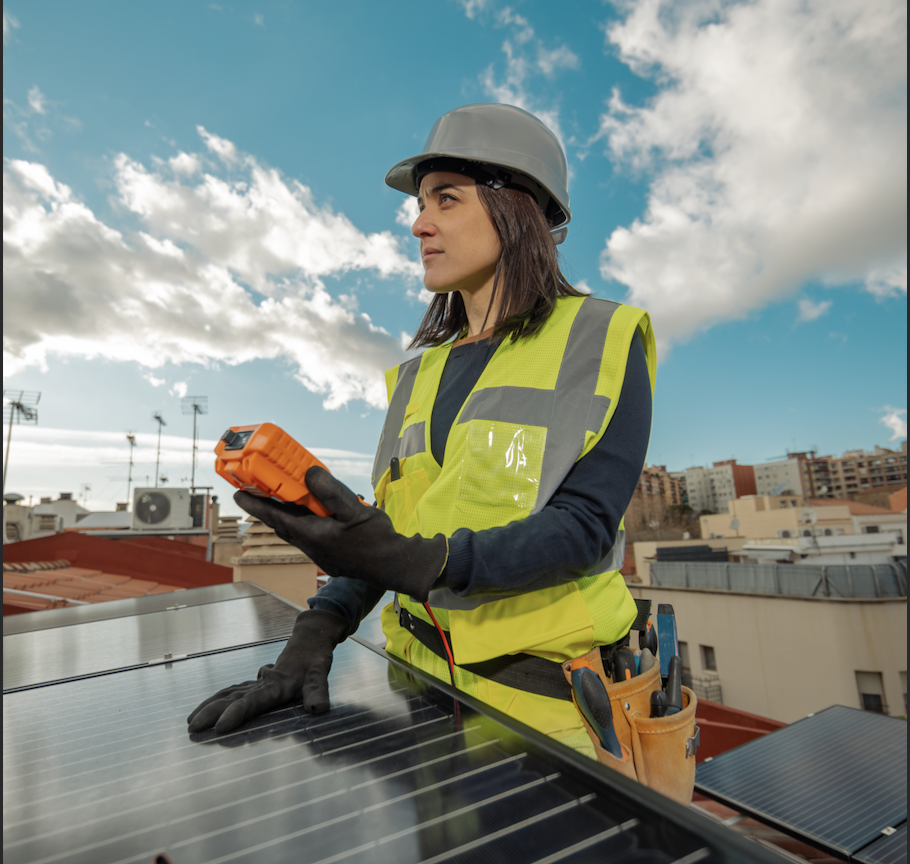
Energy communities are essential for decentralising power systems and advancing the transition to a fully renewable-based European power system by 2035. They offer numerous benefits, including reduced energy bills, local job creation, enhanced energy security, improved air quality, and strengthened democracy. However, in Poland, these emerging communities face significant obstacles. Push-back from state-owned energy companies, inadequate financial support, insufficient grid infrastructure, and complex regulatory landscapes hinder their development.
Energising Communities: Transforming Poland’s Power Sector with Locally-owned Renewables highlights the resilience and determination of Poland’s energy cooperatives and outlines what needs to be done to remove these barriers and aid their growth. The report includes interviews with members of five Polish energy communities, including a former coal miner from Upper Silesia, a local government official from the Warsaw area, and an activist from a Polish spa town. They explain how their cooperatives work, the obstacles they faced in becoming established, and the ongoing challenges their operations encounter on a daily basis.
Despite the many challenges, they remain steadfastly optimistic that renewables will form the backbone of a green, democratic, and secure Polish power system.
[/et_pb_text][/et_pb_column][/et_pb_row][et_pb_row column_structure=”1_3,1_3,1_3″ admin_label=”row” _builder_version=”4.25.1″ background_size=”initial” background_position=”top_left” background_repeat=”repeat” global_colors_info=”{}”][et_pb_column type=”1_3″ _builder_version=”4.16″ custom_padding=”|||” global_colors_info=”{}” custom_padding__hover=”|||”][et_pb_image src=”https://beyondfossilfuels.org/wp-content/uploads/2024/05/energising-communities-en.png” title_text=”energising-communities-en” admin_label=”Image” _builder_version=”4.25.1″ _module_preset=”default” global_colors_info=”{}”][/et_pb_image][et_pb_button button_url=”https://beyondfossilfuels.org/wp-content/uploads/2024/05/energising-communities-en.pdf%20″ url_new_window=”on” button_text=”Download the .pdf in EN” _builder_version=”4.25.1″ _module_preset=”default” global_colors_info=”{}”][/et_pb_button][/et_pb_column][et_pb_column type=”1_3″ _builder_version=”4.16″ custom_padding=”|||” global_colors_info=”{}” custom_padding__hover=”|||”][et_pb_image src=”https://beyondfossilfuels.org/wp-content/uploads/2024/05/energising-communities-pl2.png” title_text=”energising-communities-pl2″ _builder_version=”4.25.1″ _module_preset=”default” global_colors_info=”{}”][/et_pb_image][et_pb_button button_url=”https://beyondfossilfuels.org/wp-content/uploads/2024/05/energising-communities-pl.pdf” url_new_window=”on” button_text=”Download the .pdf in PL” _builder_version=”4.25.1″ _module_preset=”default” global_colors_info=”{}”][/et_pb_button][/et_pb_column][et_pb_column type=”1_3″ _builder_version=”4.16″ custom_padding=”|||” global_colors_info=”{}” custom_padding__hover=”|||”][/et_pb_column][/et_pb_row][/et_pb_section]